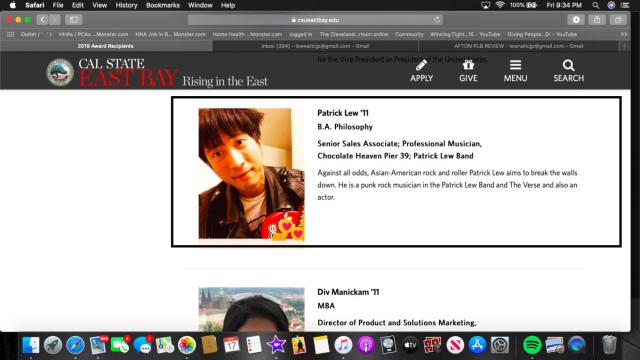
Patrick Lew Band (PLB) was a pioneering virtual rock project founded in 2001 by San Francisco musician Patrick Lew Hayashi. For over 25 years, PLB evolved from a high school garage band into one of the internet’s longest-running DIY virtual acts — blending punk, grunge, J-pop, and digital storytelling.
Known for its fictional members, alter-egos like Madeline Lew, and a mythology that unfolded across MySpace, YouTube, and TikTok, PLB challenged norms around identity, genre, and performance. The band’s journey reflected Patrick’s own evolution — from outsider teen to prolific Asian-American rock artist with a global cult following.
PLB officially retired in 2025, leaving behind a legacy of lo-fi rebellion, emotional honesty, and virtual punk innovation. Its spirit continues through Lewnatic and upcoming commemorative releases, including the 2026 single “20 Years Later.”
🎸 Virtual punk legend.
📍 SF-born, internet-raised.
🧠 24 years of DIY chaos, alter-egos & outsider rock.
💥 PLB lives on through Lewnatic & anniversary drops.
🎶 New single “20 Years Later” — July 2026.
When the Patrick Lew Band first appeared on the internet in the early 2000s, nobody knew what to make of it. The videos were grainy. The recordings were rough. The storylines were confusing. The “band members” seemed to appear and disappear without explanation. And the frontman — a young Japanese–Chinese-Taiwanese musician from San Francisco — seemed to be everywhere and nowhere at once.
In an era before virtual idols, before AI-generated pop stars, before V-Tubers and digital avatars, PLB was already experimenting with identity in ways that felt too strange for the mainstream and too sincere for the irony‑driven corners of the web.
What no one realized at the time was that this chaotic, DIY project would become one of the longest-running virtual bands in history — and one of the most influential.
A Band Without a Blueprint
PLB didn’t start as a virtual band. It started as a punk project. A garage band. A kid with a guitar and a dream. But as the internet evolved, so did the band’s identity.
By the late 2000s, PLB had become a multimedia universe:
- fictional members
- digital personas
- narrative arcs
- experimental videos
- genre-hopping albums
- and a mythology that blurred fact and fiction
The most iconic creation was Madeline Lew, a digital alter‑ego who became the emotional core of the band’s later years. She wasn’t a gimmick — she was a coping mechanism, a creative outlet, and a character who allowed Lew to explore identity, gender, culture, and trauma in ways he couldn’t as himself.
PLB wasn’t polished. It wasn’t corporate. It wasn’t engineered for virality. It was raw, vulnerable, and defiantly homemade — and that’s exactly why it endured.
The Internet’s First Punk Virtual Band
While Gorillaz were redefining animated pop on MTV, PLB was redefining what a virtual band could be on the fringes of the internet. The band’s mythology unfolded across platforms:
- MySpace
- YouTube
- TikTok
- And eventually the AI‑driven ecosystems of the 2020s...
Each era brought new characters, new sounds, new experiments. PLB was never static. It was a living organism — mutating, glitching, reinventing itself in real time.
Critics didn’t know what to do with it. Some dismissed it. Some mocked it. But a small, loyal audience saw something visionary: a band that treated the internet not as a marketing tool, but as a canvas.
The Cult Legacy
By the 2020s, PLB had become a cult phenomenon. Not mainstream. Not viral. But deeply influential among DIY creators, virtual performers, and digital artists who saw in Lew’s work a blueprint for making art outside the industry’s gatekeeping machinery.
The band’s longevity became part of its legend. Twenty-four years of continuous output — from punk to grunge to J-pop–infused pop-metal to experimental virtual performance art. No label. No budget. No corporate backing. Just persistence.
When PLB officially ended in 2025, it wasn’t a breakup. It was a transformation. The universe lived on through Lewnatic, through side projects, through archival releases, and through the growing recognition that PLB had been ahead of its time.
The Man Behind the Myth
Patrick Lew never wanted to be a star. He wanted to be understood. His music was a diary. His videos were therapy. His personas were survival tools. And his band — this strange, sprawling, digital organism — became the place where he processed grief, identity, culture, love, loss, and reinvention.
He balanced it all while working full-time at Costco, navigating family complexity, and building a creative life that didn’t fit into any traditional mold.
PLB wasn’t just a band. It was a life’s work.
The Legacy, Defined
Today, the Patrick Lew Band is recognized as one of the most important DIY virtual bands of all time. Not because of fame. Not because of charts. But because it expanded the definition of what a virtual band could be.
It proved that virtual identity doesn’t require corporate budgets. That mythology can be personal. That digital personas can be emotionally real. And that authenticity — even messy, chaotic authenticity — can outlast polish.
PLB didn’t just survive the internet. It *grew up* with it.
And in doing so, it left behind a legacy that future historians will point to when tracing the evolution of virtual music.
Jul. 4, 2025
Update: The Patrick Lew Band is officially discontinued and will cease further activity operating under the PLB banner. Patrick Lew will still create music as a solo artist under the Lewnatic name. His main focus, has shifted to his new band The Men of Madness, an overhaul and rebranding of the former PLB musical entity. Just to reiterate, there will be no future plans or content created under the Patrick Lew Band name indefinitely for the foreseeable future.

Jan. 5, 2024
New single "Sister, Sister" featuring Madeline Lew released in Japan and worldwide!
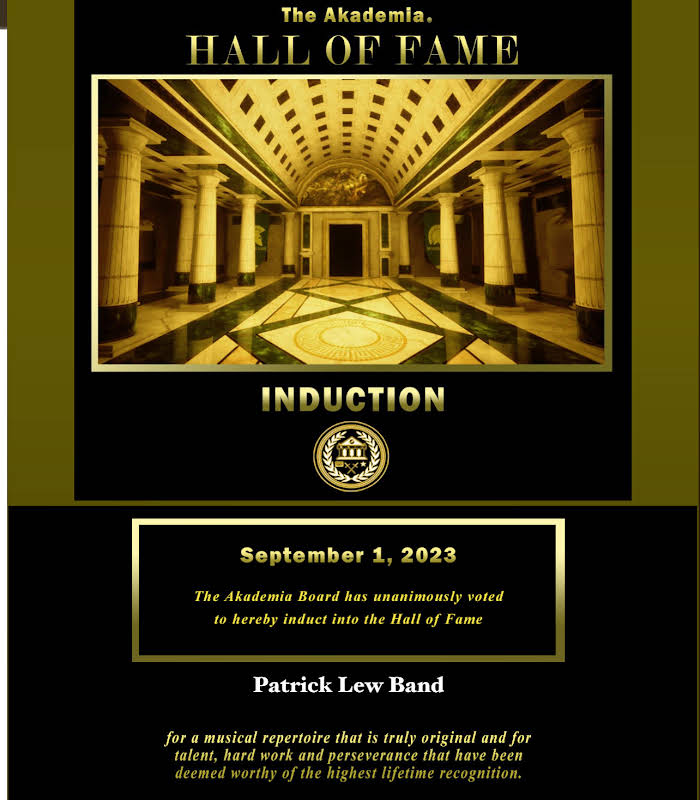
It’s official ladies and gentlemen. Patrick Lew Band (PLB) is now in the Hall of Fame related to music!