The Later, The Better
USA
Post RockAlternativeHardcorePunk
QRickit QR Code
Share on Facebook
BIO

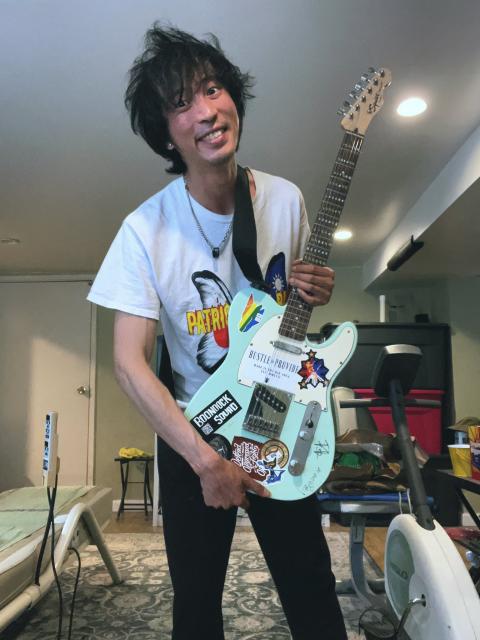
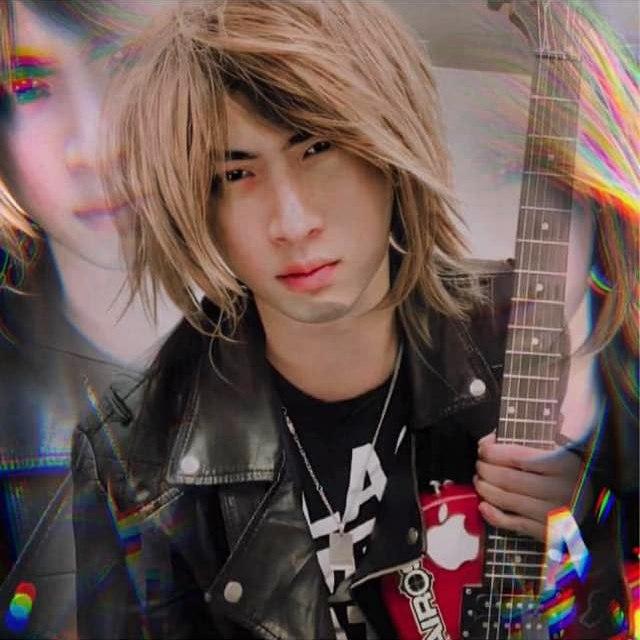
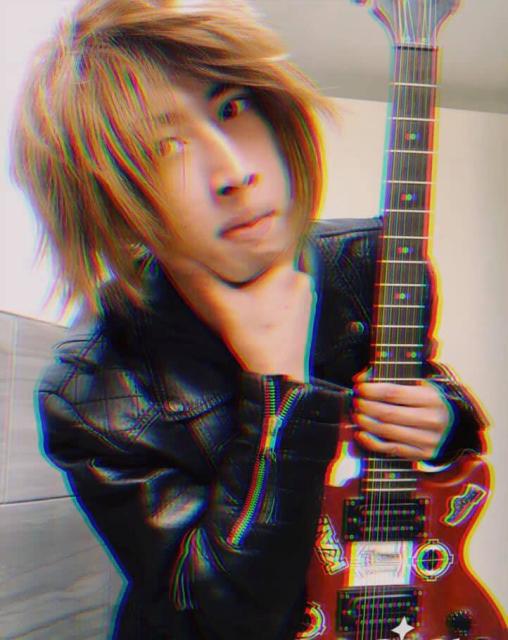
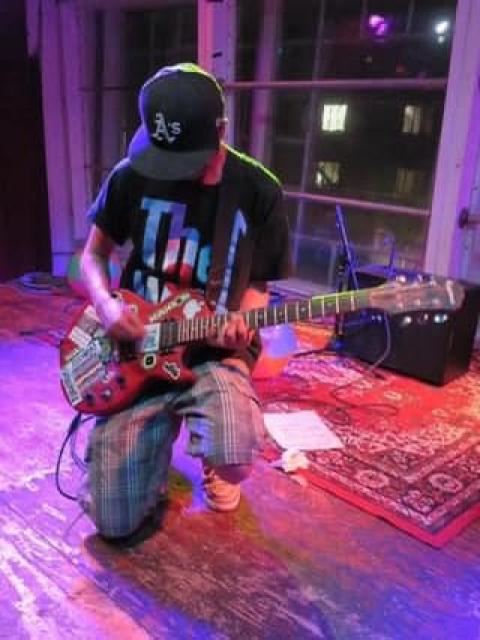
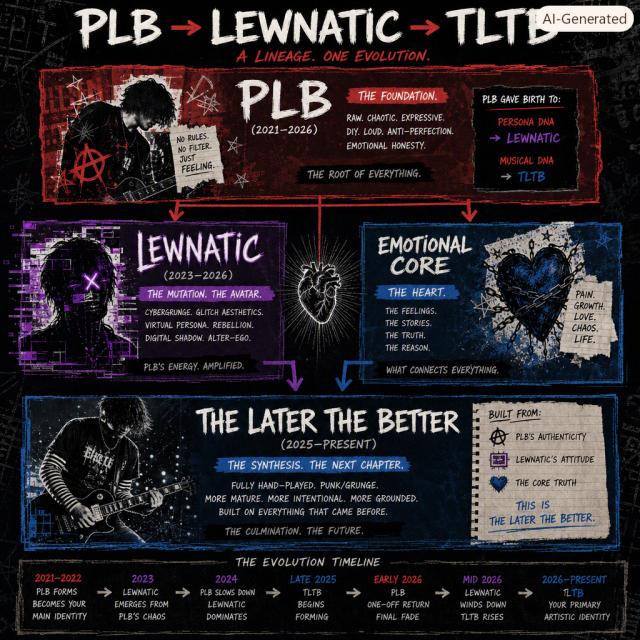
The Later, The Better is the sound of a musician returning to the truth. It is the culmination of decades of reinvention, experimentation, collapse, rebirth, and the relentless pursuit of authenticity. Created in 2026 by San Francisco musician Patrick Lew, The Later, The Better stands as the most unfiltered, human, and emotionally honest chapter in a long and unpredictable artistic journey. After the chaotic DIY mythology of the Patrick Lew Band (PLB) and the digital futurism of Lewnatic, The Later, The Better marks a deliberate shift back to the garage — back to the noise, back to the imperfections, and back to the core of what rock music means when everything else is stripped away.

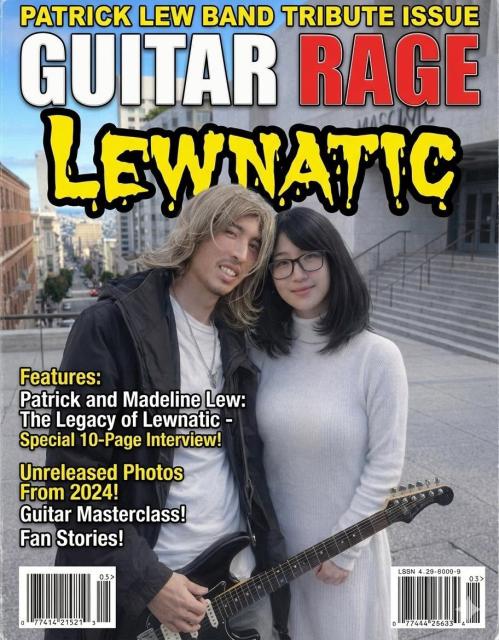
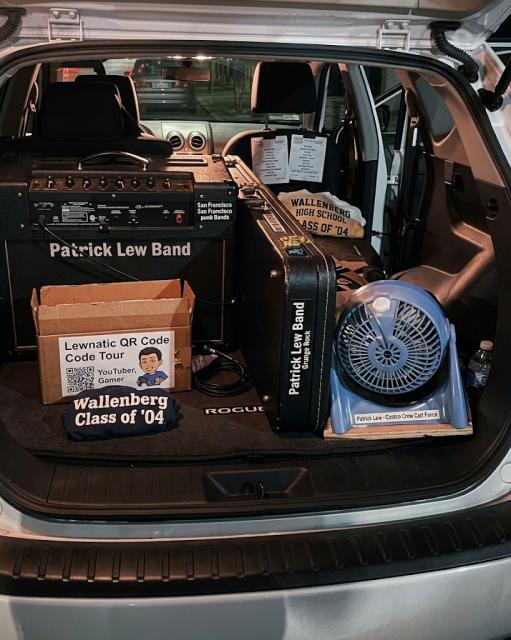
For more than twenty years, Patrick Lew built his musical identity through a series of projects that blurred the lines between reality and fiction, analog and digital, persona and person. PLB was the era of raw experimentation: noisy, unpredictable, deeply personal, and defiantly DIY. Lewnatic was the era of mythology: a cyberpunk concept project that introduced digital characters, futuristic aesthetics, and a narrative world that expanded far beyond the music itself. Both eras were transformative. Both eras pushed boundaries. Both eras left a mark on the Bay Area underground scene. But both eras also carried weight — the weight of expectation, the weight of storytelling, the weight of constantly reinventing the self.

By 2025, Patrick felt the pull toward something different. Something simpler. Something real.

The Later, The Better was born from that pull.

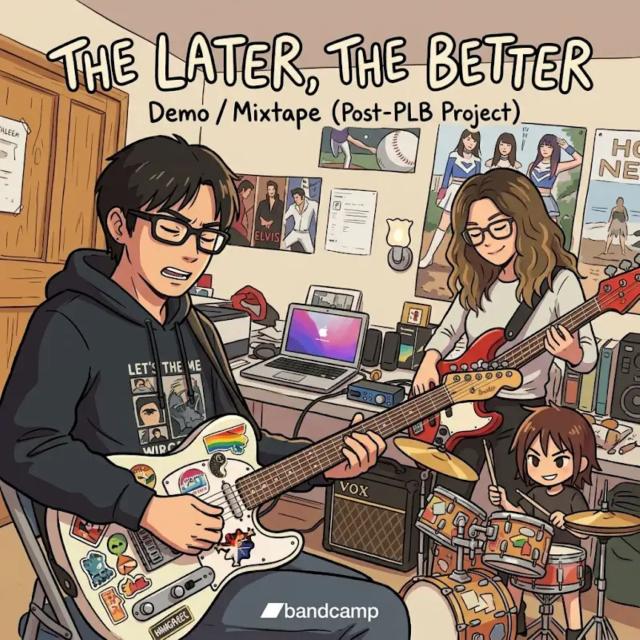
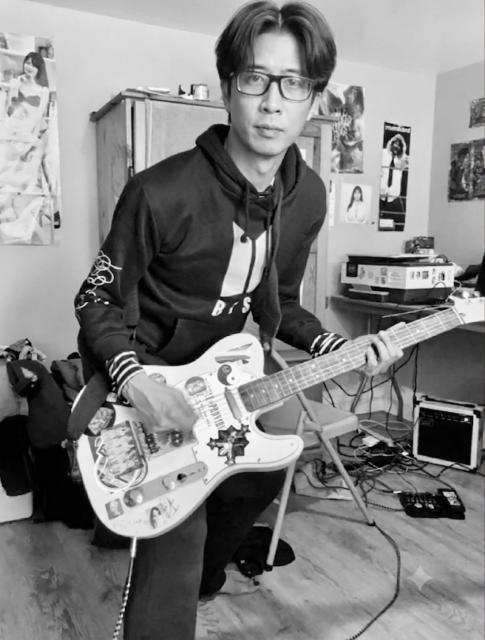
This project began quietly, without fanfare, in Patrick’s apartment in the Excelsior/Outer Mission district of San Francisco. There was no grand announcement, no elaborate concept, no digital lore to explain. It started with a guitar plugged straight into an interface, a few riffs recorded late at night, and the realization that the most meaningful music often comes from the moments when you stop trying to impress anyone and simply let the sound speak for itself. The Later, The Better is built on that philosophy. It is a one‑man band, but not in the traditional sense of a solo project. It is a conversation between every version of Patrick Lew that has existed up to this point — the teenage punk kid from Antioch, the experimental noise‑maker from PLB, the cyberpunk storyteller behind Lewnatic, and the adult musician who has lived long enough to understand that authenticity isn’t a style. It’s a decision.

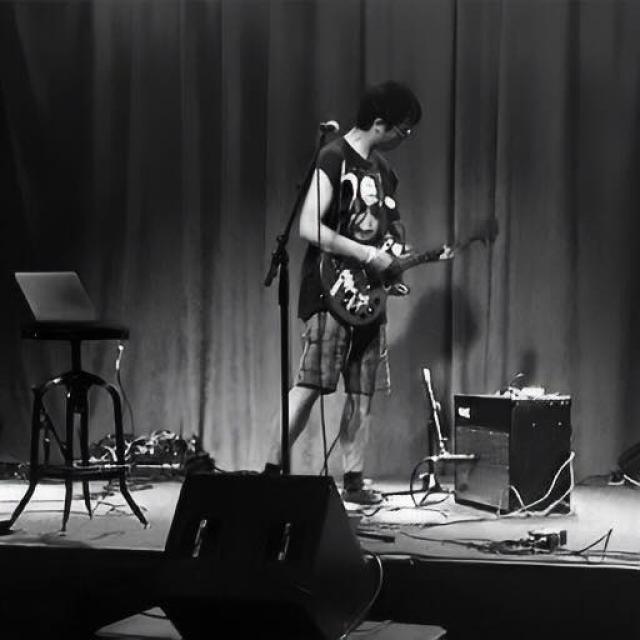
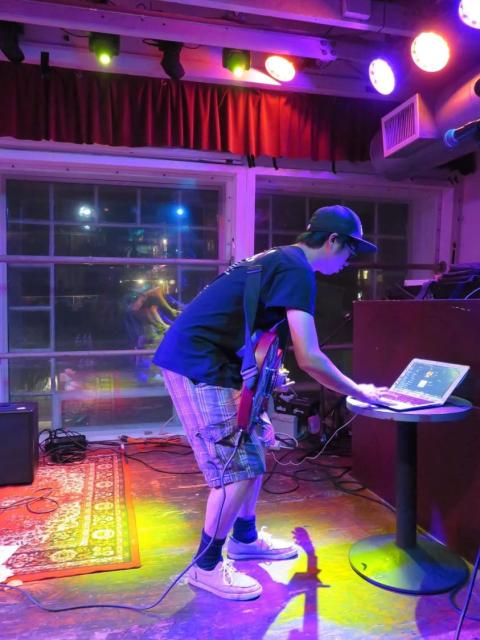
Musically, The Later, The Better draws from the sounds that shaped Patrick long before he ever touched a DAW. The swagger and theatricality of 80s glam metal. The urgency and grit of punk rock. The scrappy imperfections of garage bands who made magic with cheap gear, stubborn hearts, and a refusal to wait for permission. These influences form the backbone of the project, but the execution is uniquely modern. Patrick performs every instrument himself — guitars, bass, vocals — then deconstructs and reconstructs the tracks through Moises and digital audio production. This hybrid workflow creates a sound that merges analog instinct with contemporary edge. It is loud, melodic, chaotic, and defiantly human. It is the sound of someone who has lived through multiple eras of his own evolution and decided that the most honest version of himself is the one that hits record and lets the distortion speak.

The Later, The Better is not polished. It is not pristine. It is not engineered for algorithmic perfection. And that is exactly the point.

In an era where music is often expected to be flawless, quantized, auto‑tuned, and optimized for streaming platforms, The Later, The Better is a rebellion. It is a rejection of the idea that art must be clean to be meaningful. It embraces imperfections as identity. It celebrates the noise, the grit, the uneven takes, the cracked vocals, and the raw emotion that cannot be faked or filtered. It is the sound of a musician who has survived the best and worst of the industry, who has watched scenes rise and fall, who has built entire eras from scratch, and who still believes in the power of a distorted guitar played with intention.

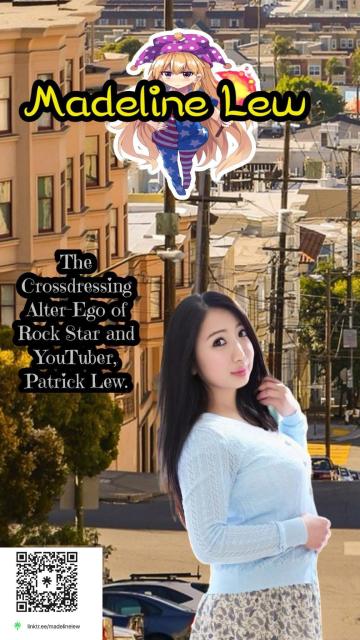
The Later, The Better also represents a significant shift in Patrick’s creative philosophy. For years, his work was intertwined with lore, characters, and digital storytelling. PLB had its chaotic multiverse. Lewnatic had its cyberpunk mythology and iconic figures like Madeline Lew. These projects were rich, imaginative, and culturally distinct — but they also created distance between Patrick and the listener. The Later, The Better removes that distance. It is not a character. It is not a persona. It is not a digital avatar. It is Patrick Lew, unmasked and unfiltered, creating music that reflects his lived experience rather than a fictional world.

This shift is not a rejection of the past. It is an evolution.

The Later, The Better carries the emotional residue of everything that came before it. The punk‑grunge volatility of PLB. The cinematic precision of Lewnatic. The DIY ethos that has defined Patrick’s career since the beginning. But it channels these influences through a new lens — one that prioritizes honesty over spectacle, vulnerability over mythology, and human connection over digital narrative. It is the sound of an artist who has traveled through multiple fictional universes and finally decided to make something real.

The project’s name reflects this philosophy. “The Later, The Better” is both a statement and a joke — a recognition that sometimes the best ideas come late, after years of trial and error, reinvention, and self‑discovery. It is a reminder that growth is not linear, that creativity does not follow a schedule, and that the most meaningful art often emerges after you’ve lived enough life to understand what truly matters. For Patrick, The Later, The Better is not about reinvention. It is about return. A return to the garage. A return to the noise. A return to the joy of making music without rules.

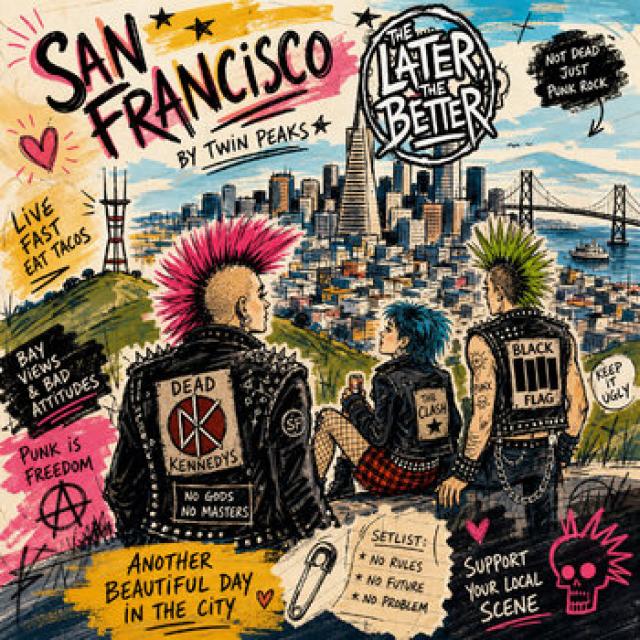
The Later, The Better is also deeply rooted in place. The Excelsior/Outer Mission district of San Francisco is not just where the project was formed — it is part of its identity. The neighborhood’s mix of working‑class grit, cultural diversity, and unpretentious energy mirrors the spirit of the music itself. It is a part of the city where creativity thrives quietly, without the need for validation from industry gatekeepers. It is a place where artists build their worlds from the ground up, often with nothing but determination and a few pieces of gear. The Later, The Better embodies that spirit. It is a project born from the Bay Area’s underground DNA, shaped by the same forces that influenced Patrick’s earlier work, but expressed through a new, more grounded perspective.

As The Later, The Better continues to evolve, it remains committed to the principles that define it: independence, authenticity, and emotional honesty. The project is self‑recorded, self‑produced, and self‑released. It does not chase trends. It does not seek approval. It exists because Patrick Lew needed a place where the noise could be real — where the music could breathe without being filtered through lore, narrative, or mythology. It is the sound of someone who has lived through every possible version of himself and decided that the most meaningful one is the version that doesn’t hide behind anything.

In many ways, The Later, The Better is the epilogue to everything that came before it. But it is also the beginning of something new. It is the moment where the dust settles and the real work begins. It is the project that brings Patrick Lew back to the essence of why he started making music in the first place — not for spectacle, not for mythology, not for digital personas, but for the simple, powerful act of creating something honest.


LISTEN

Listen on these music apps
VIDEO


YouTube
NEWS/SOCIAL


Facebook Instagram Tik Tok

IMAGES
Instagram
LINKS
Official WebsiteFacebookYouTubeBlogTik TokInstagramClub CrossdressingBiographySoundclickOnly FansAudio Leaf
SHOP/STREAM
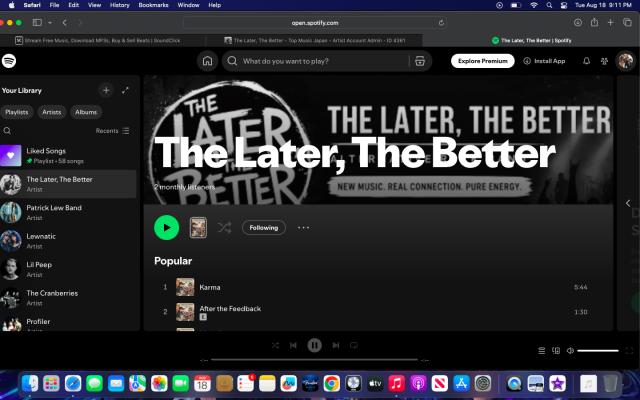
SpotifyApple MusicBandcamp
CONTACT ARTIST


Big in Japan